
On this International Women’s Day, let us take you back to the origins of Birmingham Settlement!
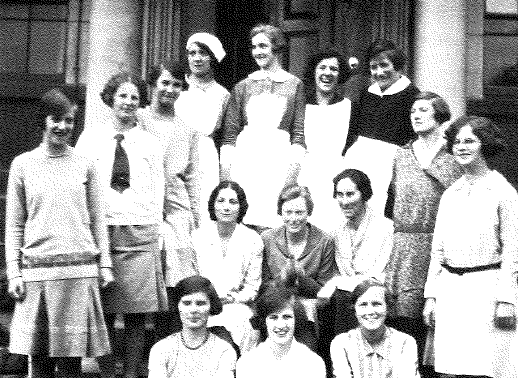
Wardens, Students, and Maids, 1929.
Birmingham Settlement emerged from the Settlement movement, a reformist social movement that began in the 1880s and peaked around the 1920s in the United Kingdom and the United States, as the upper classes were becoming more aware of the contrast between their own wealth and the poverty of the working classes.
Its main object was the establishment of settlement houses in poor urban areas, in which volunteer middle-class “settlement workers” would live, hoping to share knowledge and culture with, and alleviate the poverty of, their low-income neighbours.
As a result, in 1884 Toynbee Hall in the East End of London was created. Fifteen years after the creation of Toynbee Hall, on 29th September 1899, Birmingham Settlement was founded in Summer Lane, Newtown. Unlike other Settlements around the country, the committee was entirely made up of women, from president to treasurer, with the first male team member joining in 1913.
This was in many ways remarkable, challenging gender roles at a time where Victorian ideology emphasised that ‘a women’s place was in the home’ – many women were excluded from social, political, economic and legal spheres, limiting their ability to take action.
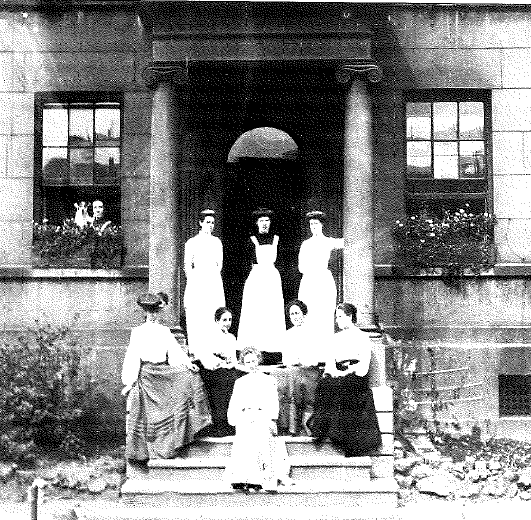
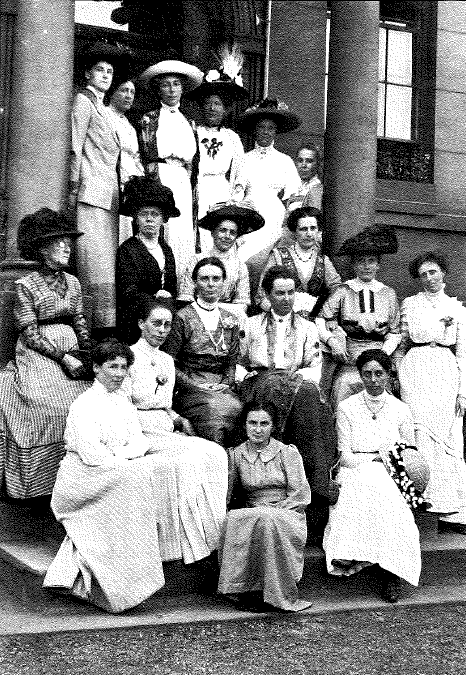
Opening day, 29th September 1899.
Early days at the Birmingham Women’s Settlement.